 by
by Our Guide to Retinol Cream: Benefits, Uses, Retinol vs Retinoid
Retinol cream is an ideal option if you are looking for a single ingredient solution to several visible skin concerns. Retinol is a Vitamin A derivative and a member of the group of ingredients known as retinoids. This ingredient is helpful in addressing skin concerns like uneven skin, pigmentation, fine lines, and breakout prone skin.
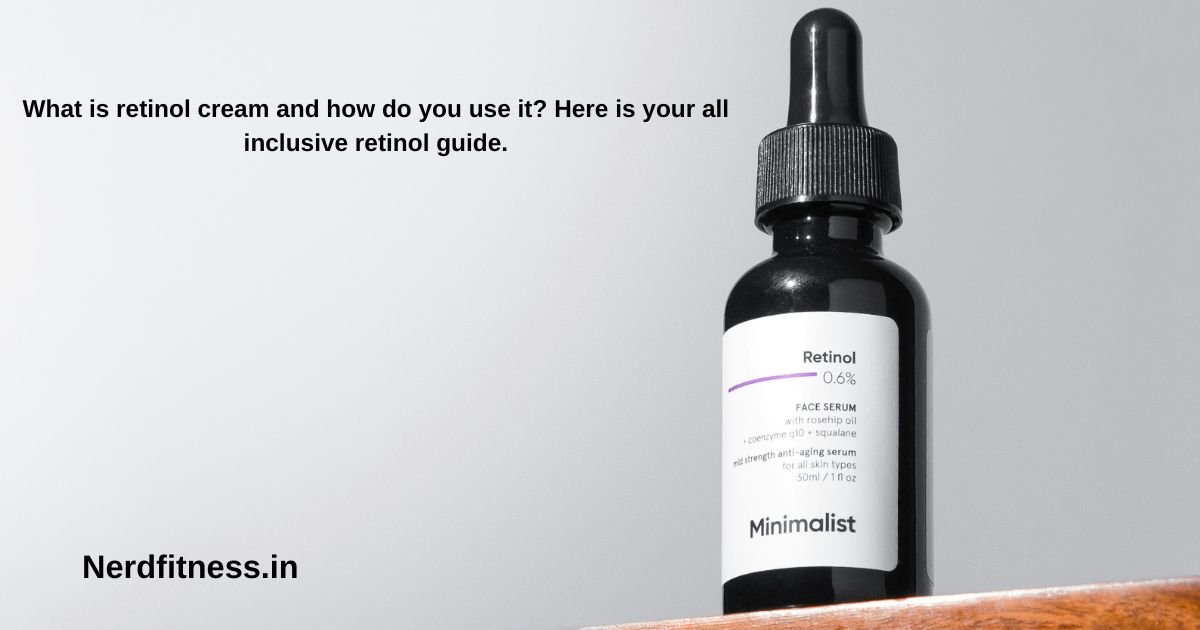
What is retinol cream and how do you use it? Here is your all inclusive retinol guide.
Retinol Cream
Retinol creams are creams which contain retinol. Although retinol is typically available in prescription strength retinoids, like tretinoin, retinol is present in many over-the-counter products in the forms of creams, serums, and moisture binders.
Skin converts retinol into active retinoic acid via a multi-step process. Prescription retinoids are often more powerful (and, therefore, more irritating) than retinol due to the lack of the skin’s conversion process. The American Academy of Dermatology indicated that retinol can aid in improving and evening out the tone of the skin, pigmentation, and texture.
(Versions of this article were previously published by the GIJN lab.)
What Is Retinol Cream Used For?
Retinol cream has several uses in skin care, including the following:
- Visible improvement in fine lines.
- Smoother skin texture.
- Helps improve uneven skin tone.
- Improves the appearance of photo aged skin.
- Acne prone skin
Retinoids promote the turnover of skin cells and help stimulate collagen production. Prescription strength topical retinoid treatments are used to treat acne and cosmetic grade retinols are used to treat the signs of aging.
What Does Retinol Do To Your Skin?
What does retinol do? In terms of skin care, retinol promotes cellular turnover and supports collagen production. This can help improve skin texture and complexion.
In acne prone skin, retinoids can help improve and prevent acne, as well as the post inflammatory hyperpigmentation (PIH) that often persists. While these treatments are very effective, it important to note that results can take several months of consistent use.
Retinol Cream vs Retinol Serum
Retinol cream and retinol serum have similar functions, but different textures.
A retinol serum is generally lighter and can be better for people who prefer light weight formulations.
A retinol cream can contain added emollients and help provide more moisture.
Defining factors go beyond selecting a cream or serum. Consider the formulation and concentrates of retinol, your skin type, and how frequently you plan to use the product.
Retinol vs Retinoids: What’s the Difference?
Confusion about the term “retinol” vs “retinoid” stems from the fact that retinol is actually a type of retinoid.
The broader term of this group is “retinoid”. This group of compounds describes the ingredients used in skincare and dermatology. This includes retinol, retinaldehyde, adapalene, and tretinoin, which are all available by prescription.
Retinoids used in skincare are generally available over the counter. Prescription retinoids, however, can be much stronger. These are used in dermatology to treat various acne and other skin conditions.
How to Use Retinol Cream
While the science of retinol creams is impressive, learning how to use retinol cream is just as important.
Starting with retinol can actually be simple.
- Cleanse your face with a cleanser (avoid foam products).
- Dry your face.
- Cream in the retinol at night.
- Apply moisturizer if needed.
- Initially, you can apply it every other night. Avoid wearing retinol around eyes, nose, and lips unless this is a specifically designed retinol.
- Always apply sunscreen.
Dermatologists agree that the retinoid irritation process can be delayed with a gradual introduction. Moisturizer can help with this. Beach the introduction at every other night, rather than every night.
Eye Cream with Retinol: What You Need to Know
What do eye creams with retinol do? Well, they target the skin around your eyes to even skin tone and texture, soften wrinkles and lines, and combat fine wrinkles.
Retinoids are beneficial for periorbital wrinkles and some case studies, but at present, there is very little evidence for individual eye cream formulations.
If you’re curious about how to apply retinol, just use a tiny amount around the orbital area. Avoid the product getting anywhere near your eyes, and do it gradually.
Retinol Hyaluronic Acid: Can They Both Be Used?
Retinol and Hyaluronic Acid are used together, but for different purposes.
Retinol works to even texture and pigmentation and combat signs of aging and photoaging, while Hyaluronic Acid works to hydrate.
If you’re someone with drier skin, it is recommended to use a moisturizer with Hyaluronic Acid when you start using retinol.
Retinol Side Effects and Precautions
Some of the effects of retinol include dry, peeling skin, redness, stinging, and irritation. Faster application will lead to more serious effects.
There are several risk groups that should be cautious when using retinoids. These include people with sensitive, inflamed or dry skin, as well as pregnant women. Consult a healthcare professional if you are pregnant, plan to be pregnant, or are in the intermediate stages.
Retinol products make your skin more sensitive to the sun. For this reason, daily use of sunscreen is the most important part of your retinol skincare routine.
FAQs About Retinol Cream
What does retinol cream do?
Retinol cream is used to minimize fine lines and uneven skin tone as well as to improve skin texture and hyperpigmentation and to improve the effects of aging on skin.
How should retinol cream be used?
https://www.youtube.com/watch?v=b2vGRAING2k
Apply a little retinol cream to your face at night, after thoroughly cleansing and drying your face. For people who have never used retinol cream before, you should slowly build up to every day use by using the product 2-3 times per week for a few weeks. While using the retinol cream, you must be diligent in applying a daily moisturizer, otherwise the product will likely cause irritation.
What is retinol?
Vitamin A derivatives are classified as retinoids, which form the basis of over-the-counter skincare. Retinoids are generally used for improving skin tone and smoothing the skin.
How does retinol eye cream work?
Eye cream that contains retinol is designed to improve the appearance of skin around the eyes. The skin of the eyes and surrounding area is sensitive therefore caution should be used when introducing new products.
How do I use retinol eye cream?
- When using retinol eye cream, just the smallest amount is needed. Be sure to follow package instructions. Do not put eye cream directly on your eyes. Reduce irritation by slowly building up the use of the eye cream.
Can I use retinol and hyaluronic acid together?
- Retinol and hyaluronic acid can coexist. Retinol is a great way to target textural issues and photo-aging, while hyaluronic acid can add moisture to your skin and help with your moisturizing routine.
Is retinol the same as retinoid?
-
No, retinoid is the broad term and retinol is a specific type of retinoid. Retinoids include retinaldehyde, adapalene, and tretinoin. They vary in strength, use and how easy it is to acquire them.
Related Article:
-
Proven Niacinamide Secrets to Instantly Transform Your Skin in- 2026




One thought on “Proven Retinol Cream: Benefits, Uses, Retinol vs Retinoid & How to Use:2026”