by
by Table of Contents
Toggle Abs Workout: The Complete Guide to Building Stronger Abs and a Powerful Core
Everyone wants visible abs, but most people spend hours doing endless crunches without seeing results. The truth is that an effective abs workout is about much more than chasing a six-pack. Your abdominal muscles play a key role in posture, balance, athletic performance, and protecting your spine during everyday movements.
Whether you’re training at home or in the gym, a smart abs workout should target your entire core—not just the muscles you can see in the mirror. This guide explains the best exercises, how often to train, the importance of nutrition and recovery, and realistic expectations for getting visible abs.
Why Your Core Matters
Your core includes much more than your “six-pack.” It consists of:
- Rectus abdominis (front abs)
- Transverse abdominis (deep core)
- Internal obliques
- External obliques
- Lower back muscles
- Hip stabilizers
A strong core improves:
- Squats
- Deadlifts
- Pull-ups
- Running
- Athletic performance
- Balance
- Posture
- Injury prevention
Instead of training only for appearance, think of your abs workout as building the foundation for every major movement.
 Lower Ab Workout: 10 Exercises for a Stronger Core
Many people struggle to develop the lower portion of their abs because these muscles become visible only when body fat is low. The following exercises emphasize lower abdominal control while strengthening the entire core.
1. Hanging Leg Raises
One of the most effective exercises for lower abs.
Sets: 3–4
Reps: 10–15
2. Reverse Crunches
Ideal for beginners and easy to perform at home.
3. Lying Leg Raises
Targets the lower abdominal region while improving hip control.
4. Mountain Climbers
Adds a cardio component while engaging the core.
5. Dead Bug
Excellent for beginners and improving core stability.
6. Hollow Body Hold
Popular among gymnasts because it develops deep core strength.
7. Flutter Kicks
Creates constant tension throughout the lower abs.
8. Toe Touches
Great for overall abdominal activation.
9. Ab Wheel Rollout
One of the toughest core exercises for intermediate and advanced lifters.
10. Dragon Flag
An advanced movement that challenges nearly every muscle in your core.
Best Exercises for Core Strength
A complete best abs workout should include exercises for stability, anti-rotation, and controlled movement.
The most effective exercises include:
- Plank
- Side Plank
- Cable Crunch
- Hanging Knee Raise
- Pallof Press
- Ab Wheel Rollout
- Dead Bug
- Bird Dog
- Farmer’s Carry
- Russian Twist
Don’t focus only on crunches. A balanced routine develops strength and stability across the entire core.
Abs Workout: Gym vs Home
One common question is whether a gym is necessary for developing strong abs.
Home Abs Workout
Advantages:
- No equipment required
- Convenient
- Saves time
- Ideal for beginners
Effective exercises include:
- Plank
- Bicycle Crunch
- Reverse Crunch
- Dead Bug
- Hollow Hold
- Mountain Climber
Gym Abs Workout
Advantages:
- More resistance options
- Progressive overload
- Greater exercise variety
Best gym exercises include:
- Cable Crunch
- Hanging Leg Raise
- Decline Sit-Up
- Ab Wheel Rollout
- Weighted Russian Twist
Winner?
Neither is automatically better. A gym allows easier progression with added resistance, but a well-designed home routine can still build a strong core.
Can I Do Abs Workout Daily?
One of the biggest myths in fitness is that abs recover instantly.
Like every other muscle group, your abs need recovery to grow stronger.
Most people should avoid doing an abs workout every day.
Instead, train abs:
- Beginners: 2 sessions weekly
- Intermediate: 3 sessions weekly
- Advanced: 3–4 sessions weekly
Daily training often leads to fatigue rather than better results.
How Many Times Should You Train Abs Per Week?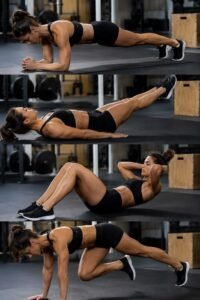
Your training frequency depends on your experience.
Beginners
2 times weekly
Intermediate
3 times weekly
Advanced
3–4 times weekly
Always allow at least one day of recovery between intense abdominal sessions.
Can You Do an Abs Workout During Periods?
Yes, in most cases.
Light to moderate abdominal exercise is generally safe during menstruation and may even help reduce cramps for some people.
Recommended exercises:
- Walking
- Plank
- Dead Bug
- Bird Dog
- Gentle Pilates
Avoid high-intensity sessions if you’re experiencing severe pain, dizziness, or heavy fatigue. Listen to your body and consult a healthcare professional if symptoms are unusual.
Diet: The Real Secret to Visible Abs
Here’s something many people don’t want to hear:
You cannot out-train a poor diet.
An abs workout builds stronger abdominal muscles, but body fat determines whether those muscles are visible.
Prioritize:
- Lean protein
- Fruits
- Vegetables
- Whole grains
- Healthy fats
- Adequate hydration
Limit:
- Sugary drinks
- Ultra-processed foods
- Excess alcohol
- Frequent overeating
A calorie-controlled diet combined with resistance training is the most reliable path to visible abs.
 Sleep and Recovery
Muscle growth doesn’t happen during training—it happens during recovery.
Aim for:
- 7–9 hours of sleep each night
- Regular rest days
- Good hydration
- Stress management
Poor sleep can affect training performance, appetite regulation, and recovery, making it harder to achieve your goals.
 Natural vs Enhanced Results
It’s easy to compare yourself with influencers online, but remember that not every physique is achieved naturally.
For natural trainees:
- Progress is gradual
- Consistency matters more than shortcuts
- Nutrition, sleep, and training drive results
Performance-enhancing drugs can change how quickly someone builds muscle or loses fat, but they also carry significant health risks and are not the benchmark most people should use.
How Long Does It Take to Get Visible Abs?
There’s no single timeline because genetics, diet, training, and body fat all matter.
Generally:
- Beginners with higher body fat may need several months of consistent training and nutrition.
- People already relatively lean may notice definition sooner.
Rather than focusing only on the mirror, track:
- Waist measurements
- Progress photos
- Strength improvements
- Body composition
Common Mistakes
Avoid these common errors:
- Doing hundreds of crunches every day
- Ignoring nutrition
- Skipping sleep
- Never increasing exercise difficulty
- Forgetting compound lifts like squats and deadlifts
- Expecting spot reduction
Remember: you can’t burn fat from one specific area by exercising that area alone.
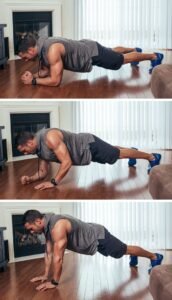 Sample Weekly Abs Routine
Monday
- Hanging Leg Raise
- Cable Crunch
- Plank
Wednesday
- Reverse Crunch
- Dead Bug
- Side Plank
Friday
- Ab Wheel Rollout
- Russian Twist
- Hollow Hold
Frequently Asked Questions
What is the best abs workout?
A balanced routine that includes planks, hanging leg raises, reverse crunches, cable crunches, and ab wheel rollouts is among the best ways to build a stronger core.
Can beginners train abs?
Yes. Start with bodyweight exercises like planks, dead bugs, and reverse crunches before progressing to more advanced movements.
How often should I do an abs workout?
Most people benefit from training abs 2–4 times per week, depending on their experience and recovery.
Do I need a gym for visible abs?
No. Home workouts can strengthen your core effectively. Visible abs depend primarily on body fat levels and overall nutrition.
Can I get abs without losing weight?
You can strengthen your abdominal muscles without losing weight, but reducing body fat is usually necessary for clear abdominal definition.
Final Thoughts
A successful abs workout is about more than endless crunches. Build your routine around progressive resistance, core stability, and consistent training. Pair it with nutritious eating, quality sleep, and patience, and you’ll develop a stronger core that supports both performance and appearance.
At NerdFitness.in, our goal is to help you train smarter with practical, evidence-based fitness advice. Whether you’re working toward your first visible abs or simply want a healthier, stronger core, consistency will always beat shortcuts.