 by
What Causes Back Pain in Females: Common Causes and When to Seek Help
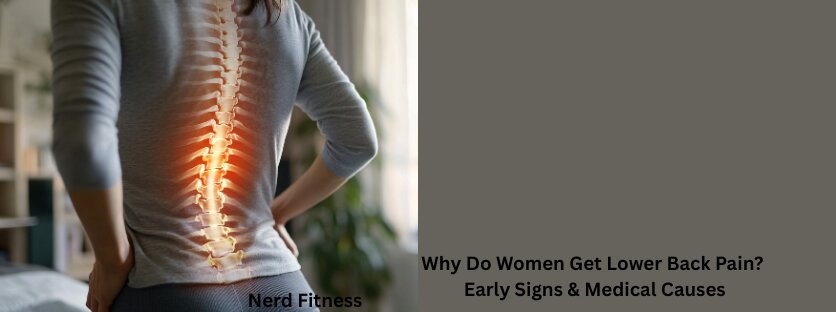
Back pain in females can develop from everyday muscle strain, poor posture, lifting, or prolonged sitting. Common causes also include menstrual pain, pregnancy, endometriosis, pelvic conditions, urinary problems, and disorders that refer pain from nearby organs to the lower back.
Your symptoms, timing, and other signs can help identify the likely cause. Understanding these patterns can help you distinguish routine musculoskeletal pain from problems that need medical evaluation, including severe or persistent pain, fever, weakness, numbness, or changes in bladder or bowel control.
Common Musculoskeletal And Lifestyle Contributors
Back pain in females often results from muscle overload, prolonged positions, spinal wear, or irritated nerves. Pregnancy, body changes, work demands, exercise technique, sleep position, and daily movement habits can increase stress on the lower back.
Muscle Strain, Poor Posture, And Overuse
You can strain your lower-back muscles by lifting, twisting, carrying a child, or repeating the same movement without enough recovery. Pain may develop after a single awkward movement or build gradually from repeated household tasks, prolonged standing, or physically demanding work.
Poor posture can increase discomfort, especially when you sit with your pelvis tucked under, lean toward a screen, or stand with your weight shifted to one side. These positions do not automatically cause injury, but holding them for long periods can fatigue supporting muscles. Adjust your workstation, keep frequently used items within easy reach, and change position regularly.
Weak abdominal, hip, and glute muscles may also reduce support during movement. Gradual strengthening, walking, and physical therapy can help you improve control without aggravating pain.
Spinal Changes And Nerve Compression
Age-related changes such as disc degeneration, facet-joint arthritis, or narrowing around the spinal nerves can cause persistent lower-back pain. A bulging or herniated disc may irritate a nerve and produce pain, tingling, numbness, or weakness that travels into your buttock or leg.
Scoliosis, vertebral fractures, and inflammation affecting the sacroiliac joints can also contribute. Osteoporosis becomes more important after menopause because reduced bone density increases fracture risk, sometimes after a minor fall or lifting effort.
Seek medical assessment if your pain causes progressive leg weakness, difficulty walking, loss of bladder or bowel control, numbness around the groin, fever, unexplained weight loss, or severe pain after an injury. These symptoms require prompt evaluation.
Work, Exercise, Sleep, And Daily Movement Habits
Your work setup can influence symptoms. Long periods of sitting, driving, standing, or bending may aggravate pain, particularly when you rarely change position. Alternate tasks, take brief movement breaks, and use a chair that supports your lower back without forcing you into one rigid posture.
Exercise can help, but sudden increases in running, weightlifting, cycling, or high-impact activity may overload your back. Warm up, increase intensity gradually, and learn proper lifting technique: keep the load close, bend through your hips and knees, and avoid twisting while lifting.
Your sleep position may also affect comfort. Side sleeping with a pillow between your knees or back sleeping with support under your knees can reduce strain. A mattress that keeps your spine comfortably aligned matters more than choosing a universally “best” firmness.
Female-Specific Hormonal And Reproductive Factors
Hormonal fluctuations, pregnancy-related changes, and pelvic conditions can cause pain in the lower back or worsen existing muscle and joint problems. The pain may follow your menstrual cycle, develop during pregnancy, or occur with symptoms such as heavy bleeding, pelvic pain, or painful intercourse.
Menstrual Pain And Hormonal Changes
During menstruation, your uterus releases prostaglandins, chemicals that trigger contractions. Higher prostaglandin levels can cause menstrual cramps that spread to your lower back, hips, or thighs. You may notice the pain shortly before bleeding begins or during the first few days of your period.
Hormonal changes can also affect how your body processes pain and may contribute to fluid retention, muscle tension, or inflammation. Heat, gentle movement, adequate sleep, and over-the-counter anti-inflammatory medicines may help when they are safe for you. Contact a clinician if menstrual-related back pain becomes severe, starts suddenly, disrupts daily activities, or worsens over time.
Pregnancy And Postpartum Back Discomfort
As your pregnancy progresses, your uterus shifts your center of gravity and increases the load on your lower back. Hormones such as relaxin loosen some ligaments, while abdominal muscle stretching and changes in posture can reduce spinal support. These factors commonly cause aching in the lower back, pelvis, or sacroiliac joints.
After delivery, back discomfort may continue because your muscles and ligaments need time to recover. Lifting your baby, feeding in a bent posture, reduced sleep, and weakened core muscles can add strain. Seek urgent medical care for back pain with vaginal bleeding, fever, loss of bladder or bowel control, leg weakness, or regular contractions before term.
Endometriosis, Fibroids, And Pelvic Conditions
Endometriosis occurs when tissue similar to uterine lining grows outside the uterus. It can cause cyclical lower-back or pelvic pain, painful periods, pain during sex, painful bowel movements, or difficulty becoming pregnant. Fibroids may produce pressure or aching in the pelvis and lower back, especially when they are large or cause heavy menstrual bleeding.
Other pelvic conditions, including ovarian cysts and pelvic inflammatory disease, can also cause referred back pain. Sudden severe pain, fainting, fever, vomiting, heavy bleeding, or pain during a possible pregnancy requires prompt medical assessment. Your clinician may use a pelvic examination, pregnancy test, ultrasound, or other tests to identify the cause.
Medical Conditions That May Cause Referred Pain
Pain felt in your back may begin in an organ rather than the spine or back muscles. Kidney and urinary problems, abdominal disorders, inflammatory diseases, and weakened bones can produce pain patterns that require medical evaluation.
Kidney And Urinary Tract Problems
A kidney infection can cause a steady ache in your side or upper-to-lower back, usually below the ribs. You may also develop fever, chills, nausea, painful urination, frequent urination, or cloudy or bloody urine. Seek prompt medical care because untreated infection can spread.
Kidney stones often cause sudden, severe pain that starts in the flank and travels toward your lower abdomen or groin. The pain may come in waves, and you might notice blood in your urine, nausea, or vomiting. A stone with fever, inability to urinate, or severe persistent pain needs urgent assessment.
Digestive And Abdominal Conditions
Digestive conditions can send pain to your back because abdominal organs share nerve pathways with the spine. Gallbladder inflammation may cause pain in the upper right abdomen or right shoulder blade, particularly after a fatty meal. Pancreatitis commonly causes severe upper-abdominal pain that spreads through to the back and may include vomiting.
Appendicitis can begin near the navel and shift to the lower right abdomen, sometimes causing back or pelvic discomfort. Bowel obstruction, ulcers, and other abdominal problems may also produce back pain with bloating, vomiting, fever, or changes in bowel movements. Sudden or worsening abdominal and back pain requires prompt medical evaluation.
Inflammatory Disorders And Osteoporosis
Inflammatory conditions such as ankylosing spondylitis can cause persistent lower-back or buttock pain and morning stiffness that improves with movement rather than rest. You may need assessment if pain began before age 45, lasts for months, or occurs with eye inflammation, psoriasis, or inflammatory bowel disease.
Osteoporosis usually causes no symptoms until a weakened vertebra fractures. A compression fracture may produce sudden back pain, height loss, or a stooped posture, even after minor lifting or a small fall. Your risk increases after menopause and with long-term corticosteroid use. Severe pain after minor trauma warrants medical evaluation.
Warning Signs And When To Seek Medical Care
Most female back pain results from muscle strain, spinal changes, pregnancy-related stress, menstrual cramps, or conditions affecting the pelvis, kidneys, or reproductive organs. You should seek prompt care when pain occurs with neurological changes, infection symptoms, injury, unexplained weight loss, or new bowel or bladder problems.
Symptoms Requiring Urgent Evaluation
Seek emergency care for back pain with new loss of bladder or bowel control, difficulty urinating, numbness around the inner thighs or genitals, or rapidly worsening weakness in either leg. These symptoms can indicate severe nerve compression.
Get urgent medical attention if pain follows a significant fall or blow, especially if you have osteoporosis, use long-term corticosteroids, or cannot walk normally. Fever, chills, feeling acutely unwell, or a weakened immune system may point to a spinal infection.
Arrange prompt evaluation for persistent pain with unexplained weight loss, a history of cancer, pain that repeatedly wakes you, or progressive numbness or weakness. Also seek medical advice for severe one-sided back or flank pain with fever, vomiting, painful urination, or blood in your urine, which may reflect a kidney problem.
Preparing For A Clinical Assessment
Before your appointment, record when the pain began, its location, severity, and whether it spreads into your buttock, hip, abdomen, or leg. Note triggers such as lifting, prolonged sitting, exercise, menstruation, pregnancy, or urination, along with symptoms including numbness, weakness, fever, vaginal bleeding, or urinary changes.
Prepare a list of medicines, supplements, prior injuries, surgeries, pregnancies, menstrual patterns, and medical conditions such as osteoporosis, endometriosis, kidney disease, or cancer. Tell the clinician whether you could be pregnant.
Your clinician may examine your posture, spine, abdomen, pelvis, reflexes, sensation, muscle strength, and walking pattern. Imaging or laboratory tests depend on the findings; uncomplicated pain often does not require immediate scans.
Treatment Approaches Based On The Underlying Cause
Treatment should match the cause. Muscle strain or mechanical pain may improve with continued gentle activity, heat or ice, physical therapy, and clinician-approved pain medicine. Avoid prolonged bed rest, which can increase stiffness and delay recovery.
Pregnancy-related pain may require pregnancy-safe exercises, posture changes, support devices, and guidance from your obstetric clinician. Menstrual or endometriosis-related pain may need anti-inflammatory treatment, hormonal therapy, pelvic-floor therapy, or gynecologic evaluation.
Kidney infections require medical treatment, while kidney stones may need fluids, pain control, medication, or a procedure. Fractures, severe nerve compression, infection, inflammatory disease, or cancer require specialist-directed care; treatment may include prescription medication, rehabilitation, procedures, or surgery.



One thought on “Why Do Women Get Lower Back Pain? Early Signs & Medical Causes”