 by
by
How to Choose the Best Running Shoes for Ultimate Comfort
Imagine this: You’re three miles into your morning route, the sun is rising, your breathing is rhythmic, and suddenly—bam. A sharp, pinching pain radiates from your arch, or maybe a hot spot on your heel signals an impending blister. Instantly, your peaceful, head-clearing run turns into a painful shuffle back home.
Most runners, from those training for their fifth marathon to casual weekend joggers, have been there. More often than not, the culprit isn’t your fitness level; it’s what you’re wearing on your feet.
Choosing the right running shoes isn’t just about picking a sleek design or buying into the latest hype. It is a critical decision that directly impacts your performance, your joint health, and your overall enjoyment of the sport. In this guide, we will break down how to choose running shoes that fit your unique stride, explore the differences between specialized and general footwear, and help you dodge the mistakes that sideline countless athletes.
Table of Contents
Sports Shoes vs. Dedicated Running Shoes: What’s the Difference?
Before diving into technical specifications, it is important to clarify a common point of confusion. Many people walk into a retail store and treat all sports shoes as interchangeable. If you use generic trainers meant for basketball, tennis, or cross-training to log your weekly miles, you are doing your body a disservice.
[Generic Sports Shoes] ──► Built for side-to-side stability, quick pivots, and court grip.
[Running Shoes]        ──► Engineered exclusively for forward momentum and repetitive impact absorption.
Cross-training sports shoes feature flatter, stiffer outsoles designed to stabilize your ankles during lateral (side-to-side) movements, such as lateral lunges or tennis volleys. In contrast, running involves continuous, repetitive forward momentum where your feet hit the ground with roughly two to three times your body weight. Dedicated running footwear is structurally engineered to absorb this vertical shock, guide your foot smoothly from heel to toe, and provide flexible forefoot drop to propel you forward.
How to Choose Running Shoes: Step-by-Step
Understanding how to choose running shoes requires looking inward at your specific biomechanics rather than copying what your favorite athlete wears. No two runners move exactly the same way.
1. Determine Your Arch Type and Pronation
Pronation refers to the natural inward rolling motion of your foot as it absorbs impact upon landing. Take a look at an old pair of daily sneakers to see where the tread is most worn:
-
Neutral Pronation: Wear is evenly distributed across the ball of the foot and the heel. A standard, cushioned neutral shoe will serve you perfectly.
-
Overpronation (Flat Feet): The inside edge of your shoe shows heavy wear. Your ankle rolls inward excessively, which can strain your knees. You should look for stability running shoes with structured arch support to guide your stride.
-
Underpronation / Supination (High Arches): The outside edge of the shoe takes the brunt of the force. Because high arches absorb less natural shock, you will want maximal cushioning to mitigate the hard ground forces.
2. Identify Your Environment
Match your footwear to your primary running terrain. Road running shoes feature smooth, durable rubber outsoles optimized for pavement, concrete, or treadmills. If you prefer muddy, rocky trails, you will need trail running shoes equipped with deep, aggressive lugs for traction and reinforced uppers to protect against debris.
Key Features to Look for in Running Shoes
When evaluating options, focus your attention on the core components of the shoe’s anatomy rather than aesthetic aesthetics.
-
The Midsole Cushioning: The midsole is the foam core between the upper fabric and the rubber sole. Modern daily trainers favor lightweight “superfoams” (like PEBA or high-performance EVA formulations) that balance soft impact absorption with energy return.
-
Stack Height and Heel Drop: Stack height refers to the total thickness of the sole. High-stack options (35mm+) offer massive impact protection for long-distance training. Heel-to-toe drop is the difference in height between your heel and forefoot. A traditional high drop (8mm to 12mm) takes stress off tight calves and Achilles tendons, while lower drops (4mm to 6mm) promote a more midfoot-centric landing pattern.
-
Upper Breathability and Lockdown: Look for engineered mesh uppers that allow hot air to escape. A strong midfoot saddle should wrap your foot securely without requiring you to overtighten the laces.
A Closer Look: 
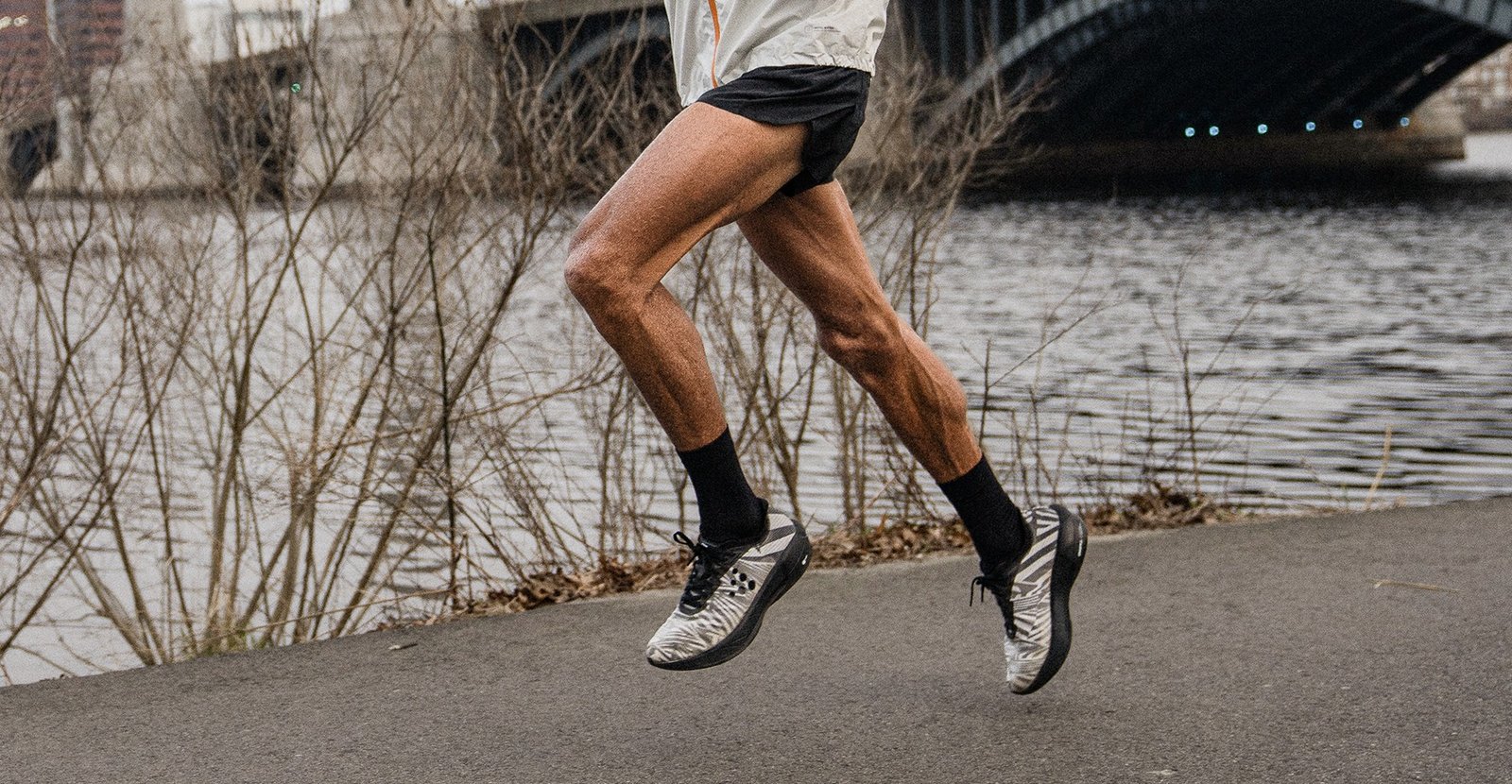
Biomechanical and anatomical differences mean that men and women often require distinct structural considerations in their footwear. When selecting running shoes for men, three specific factors often play a major role:
-
Broader Foot Platform: On average, men’s feet are wider through the forefoot and midfoot relative to their length. Men’s models are built natively on a wider standard last (usually a ‘D’ width) compared to women’s standard models (‘B’ width), providing adequate room to prevent lateral pinching or hot spots.
-
Higher Structural Mass Support: Because men typically possess a higher average body mass than women of the same height, their shoes require slightly denser midsole compounds or reinforced support elements to prevent the foam from bottoming out prematurely over long distances.
-
Specific Market Selections: Premium daily mileage options—like the New Balance 1080 v15 or the stable ASICS Gel Kayano 33—are engineered with these structural adjustments to provide long-lasting foam resilience for male runners logging heavy road miles.
Common Mistakes to Avoid When Selecting Running Shoes
Even with a wealth of information available, many runners fall into predictable traps that lead directly to physical discomfort or premature wear.
-
Mistake 1: Buying Based Strictly on Your Normal Dress Shoe Size
Your feet naturally splay and expand as you run, and they swell over the course of a workout. If you buy your exact casual shoe size, you will likely experience black toenails and blisters. Always aim for roughly a thumb’s width of space between your longest toe and the front tip of the shoe to allow for natural foot movement.
-
Mistake 2: Assuming the Most Expensive Shoe is “The Best”
A $250 carbon-plated racing shoe is fantastic for an elite athlete chasing a marathon personal record, but it can actually cause injury to a beginner or casual jogger. Racing models trade away durability, stability, and everyday comfort in exchange for raw speed. A reliable, moderately cushioned daily trainer is infinitely better for daily fitness.
-
Mistake 3: Overextending a Shoe’s Lifespan
Midsole foam degrades and loses its shock-absorbing capacity long before the rubber on the bottom wears completely away. If you notice mysterious aches in your shins, knees, or lower back after a standard workout, it is a clear indicator that your shoes have lost their structural integrity and need to be replaced.
Final Takeaway
Investing the time to understand how to choose running shoes that align with your gait and fitness goals is the ultimate form of injury prevention. Treat your running footwear as specialized equipment, keep your eyes on the core features that match your arch type, and never compromise on proper sizing.
Now that you know exactly what to look for, take a close look at your current pair. Are they giving your feet the support they deserve? Head out to a specialized running store, get a proper stride assessment, and pick a pair that will turn your next run into the comfortable, life-affirming experience it is supposed to be.