by
by 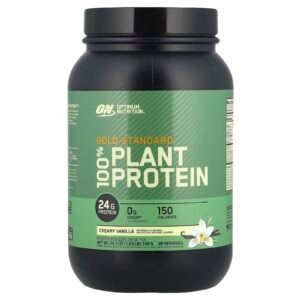 The Ultimate Guide to Plant Protein: Is It Actually Better Than Whey?
The global shift toward conscious eating has completely revolutionized the fitness industry. Walk into any gym or health food store, and you will see shelves once dominated entirely by dairy supplements now sharing equal space with vibrant, earth-friendly alternatives. If you are aiming to build muscle, lose fat, or simply optimize your daily nutrition, you have likely asked yourself: “which plant protein powder is best”, and how does it truly stack up against traditional options?
For health-conscious individuals and fitness enthusiasts alike, navigating this landscape requires cutting through the marketing noise to look closely at the science of clean nutrition. Let’s break down the fundamentals of green supplementation, compare it directly against dairy, and help you determine the optimal choice for your body.
Defining the Baseline: What is Plant Protein?
Before comparing supplements, it is essential to understand the core mechanics of what you are putting into your body. To put it simply, “what is plant protein”? It is macro-nutritional protein derived entirely from vegetation rather than animal sources. When looking at labels, you will frequently see terms used interchangeably, but “what is plant based protein” specifically in the context of supplements? It refers to concentrated powders engineered from protein-rich crops, typically extracted by removing the bulk of the plant’s carbohydrates and fats.
[Raw Plant Source] ---> [Fiber/Fat Extraction] ---> [Concentrated Plant Protein]
  (Peas, Rice, Hemp)                                   (High Purity/Clean Macros)
The most common and effective sources used in modern formulations include:
-
Pea Protein: Highly digestible and naturally rich in branched-chain amino acids (BCAAs), particularly iron and lysine.
-
Brown Rice Protein: A hypoallergenic option that pairs exceptionally well with pea protein to create a balanced nutritional profile.
-
Hemp Protein: A robust, whole-food source packed with heart-healthy omega-3 and omega-6 essential fatty acids.
-
Soy Protein: One of the few single-source plant options that qualifies natively as a complete protein.
Head-to-Head: Plant Protein vs Whey Protein Which is Better?
For decades, dairy-derived whey was considered the gold standard for muscle synthesis due to its rapid absorption. However, the debate surrounding “plant protein vs whey protein which is better” has shifted dramatically as manufacturing methods have advanced.
To help you visualize how these two powerhouses compare, let’s look at their core advantages and disadvantages side-by-side:
| Feature/Metric | Whey Protein | Plant Protein Blend |
| Digestion & Gut Comfort | Can cause bloating or gas in lactose-sensitive individuals. | Extremely gentle on the stomach; naturally hypoallergenic and dairy-free. |
| Amino Acid Completeness | Natively complete; naturally high in Leucine. | Often requires blending (e.g., pea + rice) to achieve a complete profile. |
| Environmental Impact | Higher carbon and water footprint due to industrial dairy farming. | Significantly lower environmental impact and highly sustainable. |
| Absorption Speed | Ultra-fast; optimal for immediate post-workout recovery. | Medium-to-slow; provides a sustained, steady release of amino acids. |
When weighing these factors, the answer to “plant protein vs whey protein which is better” ultimately depends on your body’s specific tolerances. While whey offers a slight edge in pure absorption speed, a high-quality green supplement completely bypasses the digestive distress, skin breakouts, and environmental baggage often tied to dairy production.
 The Big Question: Is Plant Protein Better Than Whey?
So, “is plant protein better than whey”? Historically, critics argued that vegan options were inferior because individual plants rarely contain all nine essential amino acids required for muscle synthesis. However, modern nutritional science has completely debunked this limitation. By engineering multi-source blends—such as combining pea and brown rice—manufacturers can create a complete amino acid profile that mirrors animal protein perfectly.
Clinical studies evaluating muscle thickness and strength characteristics have shown that when the overall protein and leucine content are matched, vegan blends stimulate muscle hypertrophy just as effectively as whey. Therefore, “is plant protein better than whey”? If your criteria for “better” includes long-term digestive comfort, ethical sourcing, reduced systemic inflammation, and clear skin alongside muscle growth, then vegan alternatives emerge as the clear winner. For anyone who experiences regular bloating or sluggishness from dairy, making the switch to a clean, green option is a significant upgrade for daily well-being.
How to Choose Which Plant Protein Powder is Best
Because the market is saturated with options, finding the right supplement requires a discerning eye. To determine “which plant protein powder is best” for your specific lifestyle, evaluate products against these three non-negotiable criteria:
1. The Amino Acid Profile
Look for multi-source formulations. A label that features a combination of pea, hemp, and rice protein ensures you are getting a complete distribution of amino acids to properly fuel muscle repair and overall recovery.
2. Purity and Third-Party Testing
Vegan crops can easily absorb heavy metals from the soil. The top-tier brands will always display transparent sourcing and hold independent, third-party lab certifications (such as Clean Label Project or Labdoor) to guarantee the product is completely free from harmful contaminants, fillers, or artificial sweeteners.
3. Texture, Taste, and Mixability
Older generations of vegan supplements were notorious for a chalky, intensely earthy texture. When deciding “which plant protein powder is best”, look for modern brands that use natural flavorings (like organic cocoa or vanilla bean) and include added digestive enzymes to ensure the powder dissolves smoothly in water or nut milk without clumping.
Practical Tips for Daily Optimization
Integrating your chosen supplement into a fast-paced routine is incredibly simple. For fitness enthusiasts looking to maximize muscle repair, shaking a scoop with cold almond milk or water within 45 minutes of a workout provides a clean stream of recovery nutrients.
If your goal is sustained satiety and daily wellness, try blending your powder into a morning smoothie packed with spinach, frozen berries, chia seeds, and a spoonful of almond butter. Because of its excellent structural thickness, it also serves as a fantastic healthy ingredient for baking high-protein oatmeal cookies or stirring directly into warm morning porridge.
Final Takeaway: Investing in Sustainable Health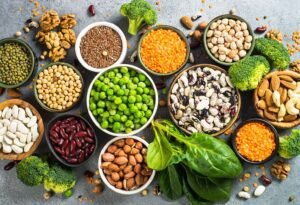
Embracing “plant protein” is far more than a passing dietary trend; it is a highly efficient, scientifically backed investment in your physical longevity and the health of the planet. By selecting clean, multi-source blends that match your digestive needs, you can easily match the muscle-building results of dairy supplements without any of the metabolic downsides. Focus on ingredient transparency, train with consistency, and leverage the power of clean, plant-driven nutrition to hit your peak physical condition.